01
Phase 2 consultation
Phase 2 engagement summary and channel results, with the live Council project page used for later published project information.
Phase 2 report ↗Prepared as a resident-led community record for Kingsville, this site follows two proposals that became the focus of sustained local concern: a permanent public toilet at Beevers Reserve and the partial closure of Coronation Street beside Bell Reserve.
The wider park upgrades were broadly supported. This record focuses on the two contested elements, what the consultation actually recorded, what Council endorsed in April, and what happened when residents later took the evidence, process and safety questions back to Council.
The consultation record, including what people living closest to each proposal said.
The April decision and the evidence that sat behind it.
The May, June and July questions, responses and later process.
Two in-person sessions. Majority opposition on both dot-board questions.
JAN 2026Engagement reportChannel-by-channel Phase 2 results were published. In-person majorities opposed both disputed elements.
21 APRENDORSEDSeven councillors present. Seven votes to endorse.
19 MAYDESCRIBED AS “50/50”Director, Infrastructure Services Patrick Jess described the toilet consultation as “about a 50/50 split”.
16 JUNFred Maddern questions CouncilQuestions what councillors understood before the April vote.
21 JUL →No additional informationCouncil’s answer when asked what new information had reached councillors since June.
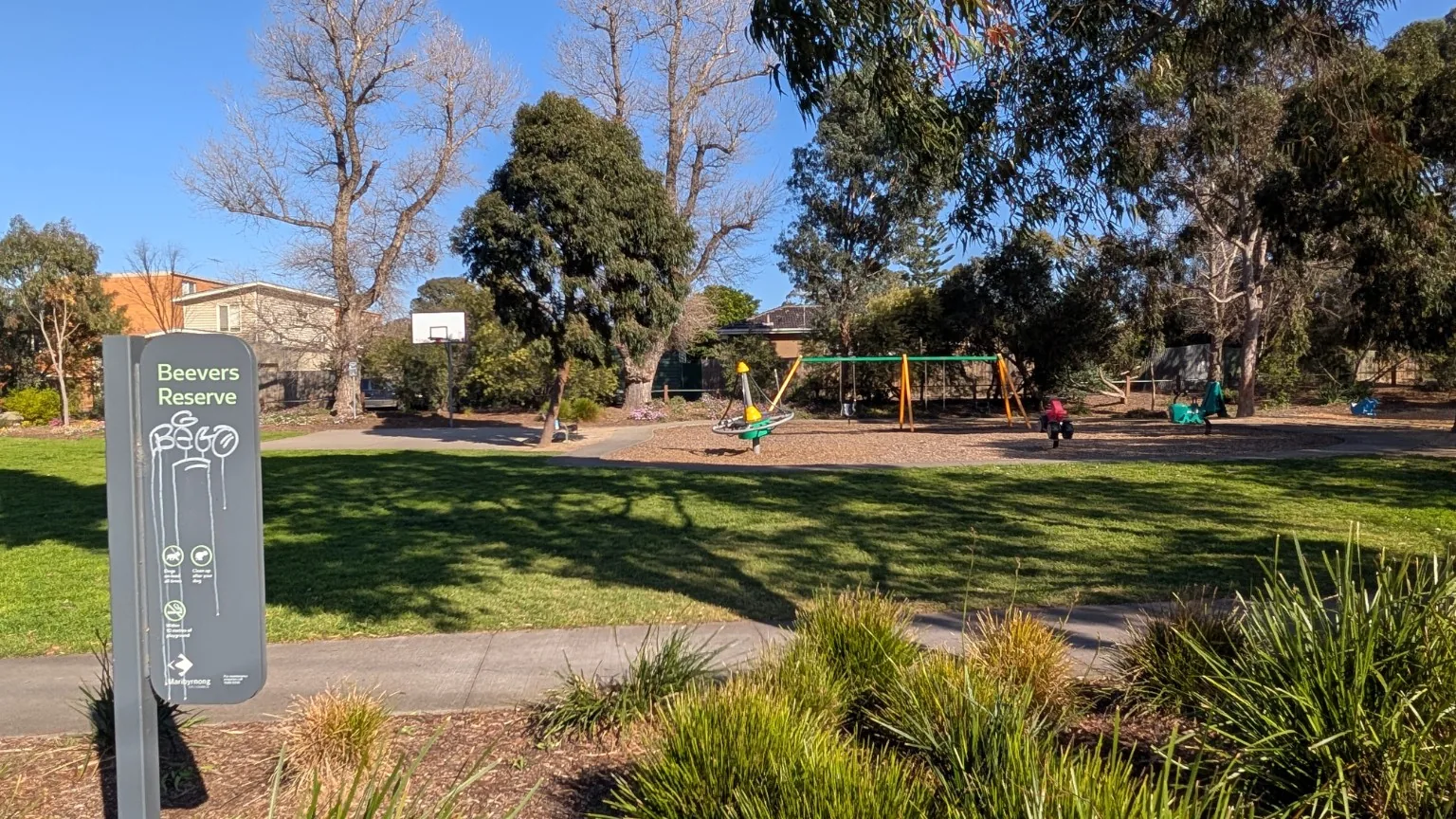
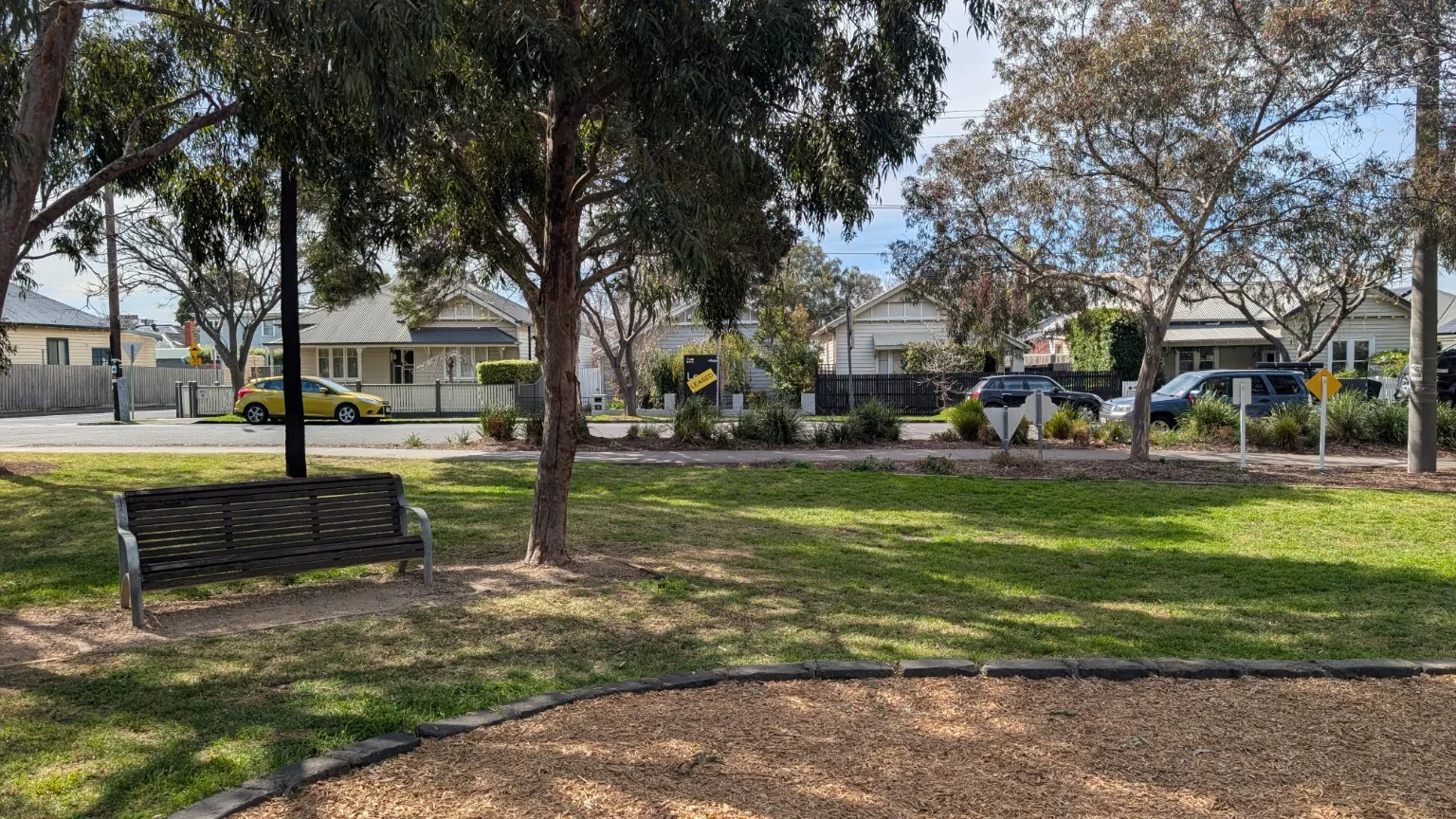
Public-record claims are sourced below; resident accounts and private correspondence are labelled where used. This page is not a Maribyrnong City Council website. It brings the public record together so readers do not have to reconstruct months of reports, meetings and questions themselves.
Phase 2 used online responses, mailed forms and two in-person sessions. The boards below show the in-person sessions, not the whole consultation.
Across both sessions, 61 people spoke with Council staff. Sixty participated in the Coronation Street dot exercise.
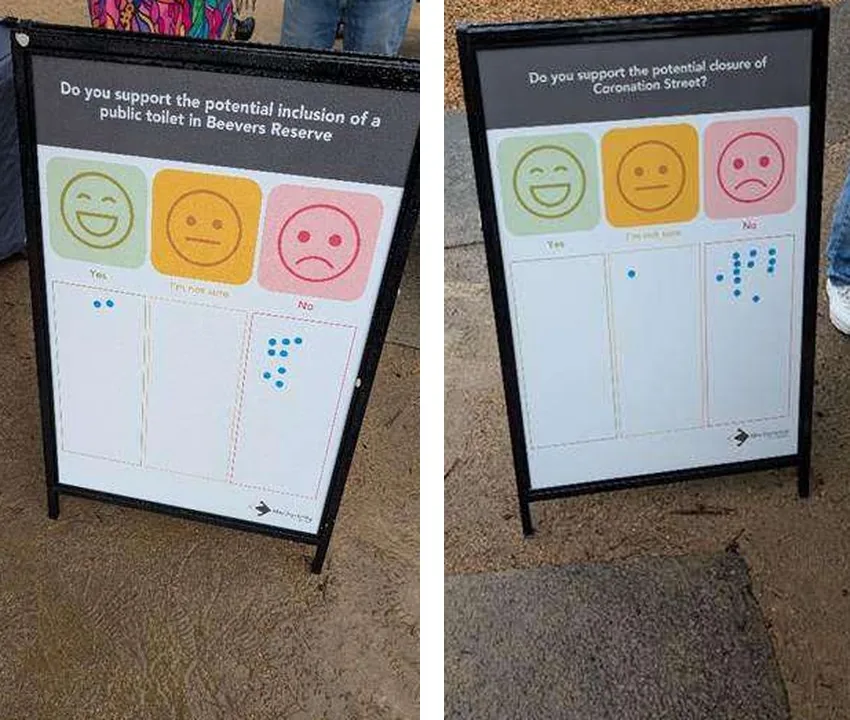
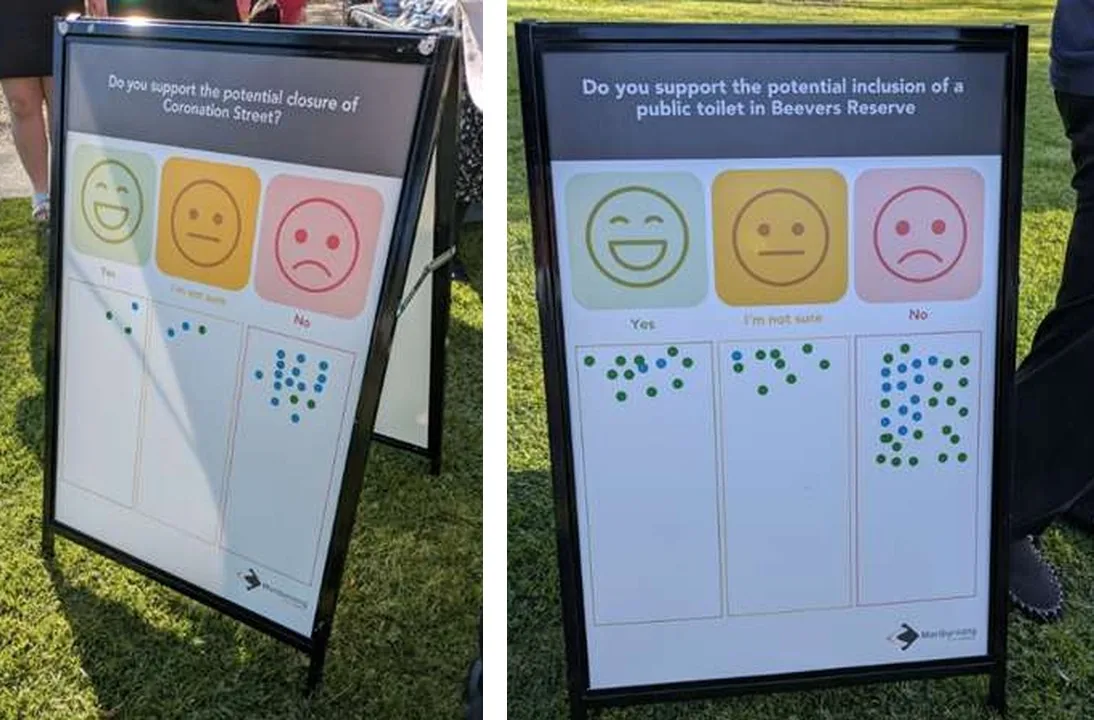
The in-person boards above are one part of the consultation. The published Phase 2 results below show the broader record.
14.4 percentage-point gap
* 9.0% were unsure.
CORONATION STREETThe later Coronation Street record focuses on traffic redistribution, street-level safety and emergency access rather than treating the closure as a simple majority question.
online respondents who said they lived on Wales Street between Webb and Shackell streets opposed the toilet.
of online respondents living on Coronation Street supported the closure.
Council reported these nearby-resident subsets separately in its own engagement summary. They add context about people living closest to each proposal, but they are not presented here as a substitute for the overall consultation results. The two proposals also produced different local patterns, so this record keeps them separate.
Seven councillors were present. Seven voted to endorse the final Beevers and Bell concept plans.
Director, Infrastructure Services
Asked about the consultation, the Director said Council did not agree there had been overwhelming opposition and described the report as showing:
“about a 50/50 split”
Council’s published Phase 2 result was not an even split: 52.7% did not support the toilet, 38.3% supported it and 9.0% were unsure.
Consultation was advisory. Council was not bound by the result. The issue here is that “about 50/50” was a public description of feedback that Council’s own published figures showed was 14.4 percentage points apart.
The petition made the 50/50 characterisation a specific issue by contrasting it with Council’s published 52.7% / 38.3% Phase 2 figures. Council formally received the petition in June.
Asked specifically what feedback resulted in Council retaining the proposed Beevers toilet, the Director again described the feedback as:
“about 50/50 as we've reported previously”
View Council's Beevers + Bell project page ↗
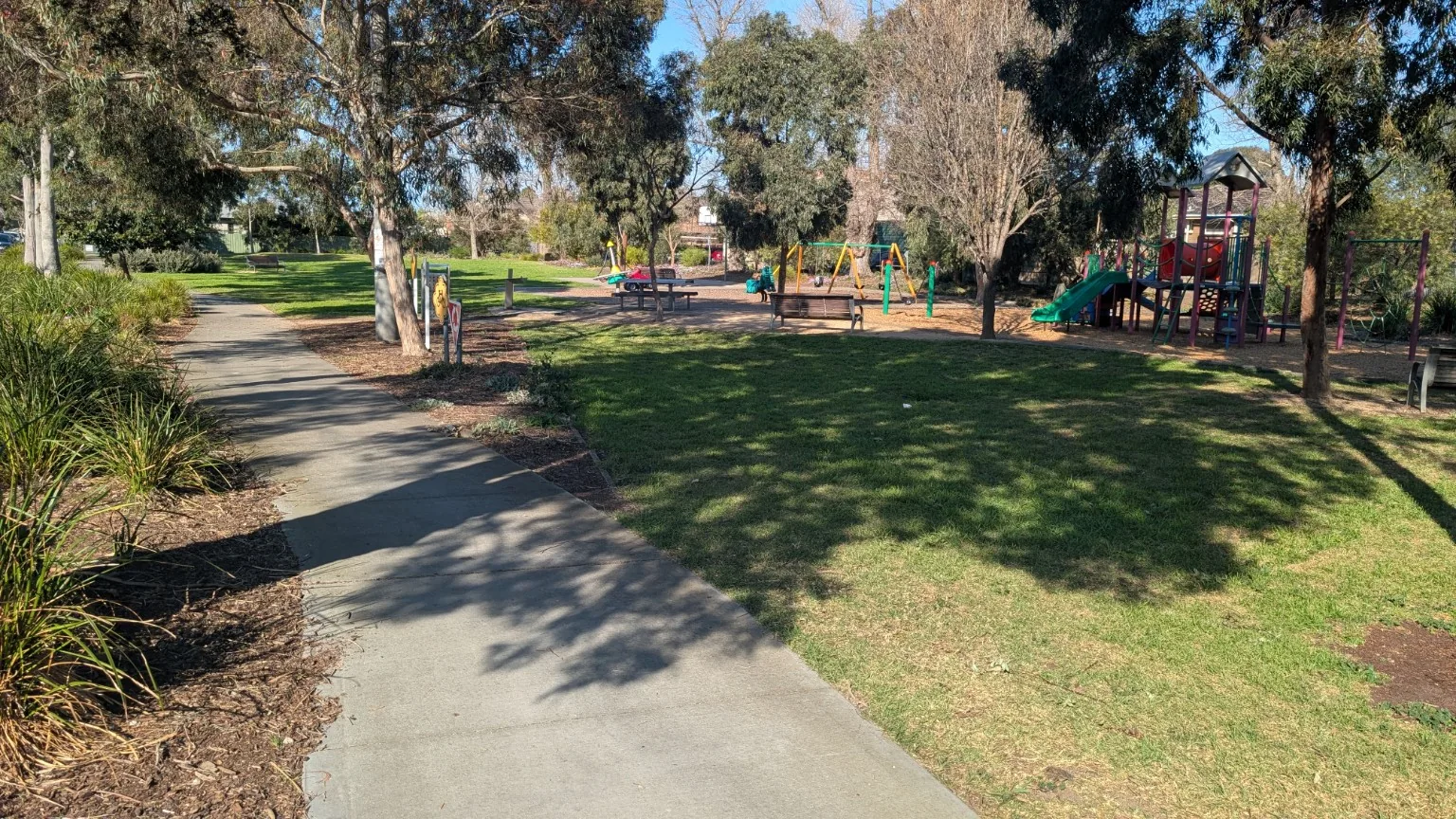
Residents who attended the consultation say a local Wattle Ward councillor suggested “peer surveillance” when antisocial-behaviour concerns were raised. Residents understood this as surrounding homes providing informal observation of the park. The attribution is presented as a resident account of the session.
Council’s Public Toilet Plan focuses new provision on popular public spaces that support extended stays, including key regional and municipal open spaces. In a 2024 Council meeting, the CEO said the toilet program is based on the park hierarchy and that regional and municipal parks are given priority over neighbourhood and local parks.
Beevers Reserve was not one of the ten locations listed for new toilets in the 2019 plan.
Council says Crime Prevention Through Environmental Design principles are “essential” for future facilities. Its April report says visible, well-lit locations with clear sightlines support natural surveillance and discourage antisocial behaviour, while clear, open entrances improve access control.
Council’s current project FAQ adds that, if a toilet is installed, it would be in a visible, high-traffic area with clear sightlines and good lighting, with entry and exit points oriented toward active public areas.
Council’s April report describes Beevers as currently a local park size. Council’s case is that planned park improvements, including the shelter and BBQ, are expected to increase visitation and support longer stays.
Those park improvements are not the issue here. The unresolved question is whether Beevers itself has been demonstrated to satisfy the Public Toilet Plan’s provision and location framework.
Look at the setting: the photographs on this page show the park’s existing open layout and homes directly opposite the reserve.
Residents have raised whether a permanent toilet belongs in this small residential reserve at all, given Council’s own park-hierarchy, visibility, surveillance and neighbour-impact criteria.
Council’s framework raises two separate questions: whether Beevers is the kind of public space prioritised for toilet provision, and whether a toilet can be located here while meeting Council’s visibility, lighting, sightline and natural-surveillance principles.
Council’s Director of Infrastructure Services said the relevant safety and design principles would be addressed through detailed design, including layout, location and lighting.
This does not establish that the toilet is unsafe. It shows that those considerations were still to be worked through after concept endorsement.
Council endorsed the concept on 21 April. Council’s 22 April update also says the toilet will be reviewed under the Public Toilet Plan and, if progressed, installed through the public toilet delivery program rather than as part of the park upgrades.
The public record presented here does not establish that Beevers has already completed that assessment.
By June, the issue had shifted from whether residents liked the proposals to what information councillors had understood before all seven councillors present voted to endorse both concept plans.
“I did read all of the information...”
Thomas says she read the supplied material and decided the April decision was the best decision on balance.
“I might have asked some more questions.”
Tiwari said he had not appreciated the final-week traffic-count timing and had not picked up the specific playground-reference issue raised in the question.
Yengi said the timing of the assessment was something she did not think councillors had been across, and referred to councillors’ reliance on officer due diligence and trust.
Pereyra referred to the master-plan context, continuing traffic work and meeting residents that afternoon.
All seven councillors present endorsed both concepts in April. In June, Cr Thomas said she had read the material and stood by the decision, while Cr Tiwari and Cr Yengi identified aspects of the traffic evidence they had not appreciated or had not been across. The concepts remained endorsed.
Council’s 22 April update had said further site investigations and other works at Beevers and Bell were set to begin in the next financial year, subject to the 2026/27 Budget. On 16 June, Council adopted that Budget. Its published budget summary included $150,000 for the Bell Reserve upgrade.
That makes June a second hinge in the chronology: the concepts remained endorsed, the petition was formally received, councillors responded to questions about what had been understood before the April vote, and the Budget condition identified by Council in April was passed that same evening.
This did not remove the separate statutory process still required for the Coronation Street closure, or the separate Public Toilet Plan assessment for the Beevers toilet.
Council’s traffic assessment concluded that the surrounding road network could accommodate the predicted redistributed traffic. Residents then asked what that redistribution meant at street level for pedestrians, children and emergency access.
Showing that surrounding streets can carry the extra traffic is not the same as showing what that traffic means for children, pedestrians or emergency access. The report supports a conclusion about whether surrounding streets can absorb the predicted traffic. This review did not locate a dedicated assessment connecting that extra traffic to child and pedestrian exposure around Wales Street Playground, or a quantified route-specific emergency-response analysis.
Closing part of Coronation Street would not make the existing traffic disappear.
The assessment predicts that some vehicles would instead use nearby residential streets. It then estimates how much extra traffic those streets would receive.
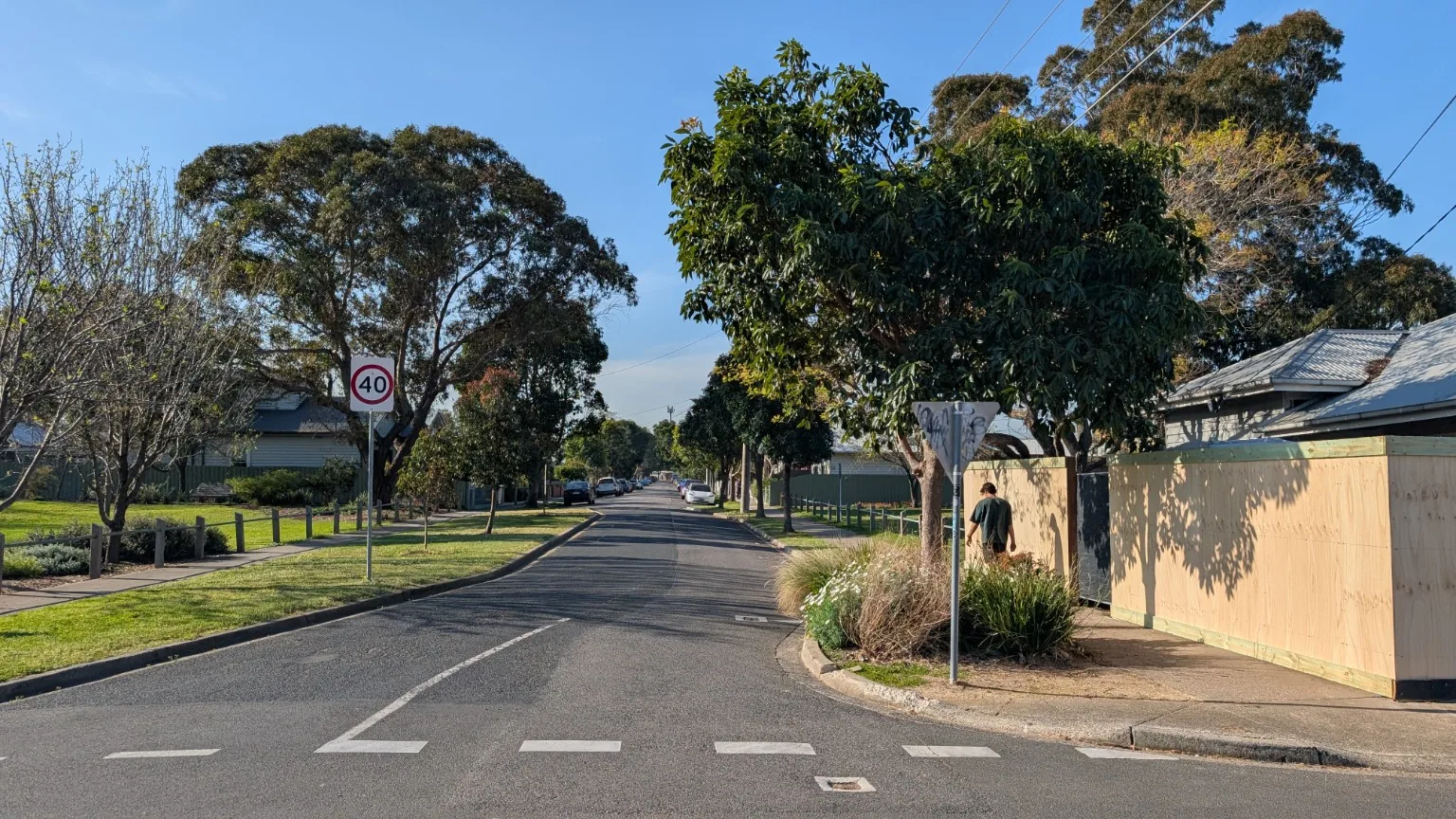
vehicles/hour AM peak, modelled maximum
vehicles/hour AM peak, modelled maximum
vehicles/hour AM peak, modelled maximum
vehicles/hour PM peak, modelled maximum
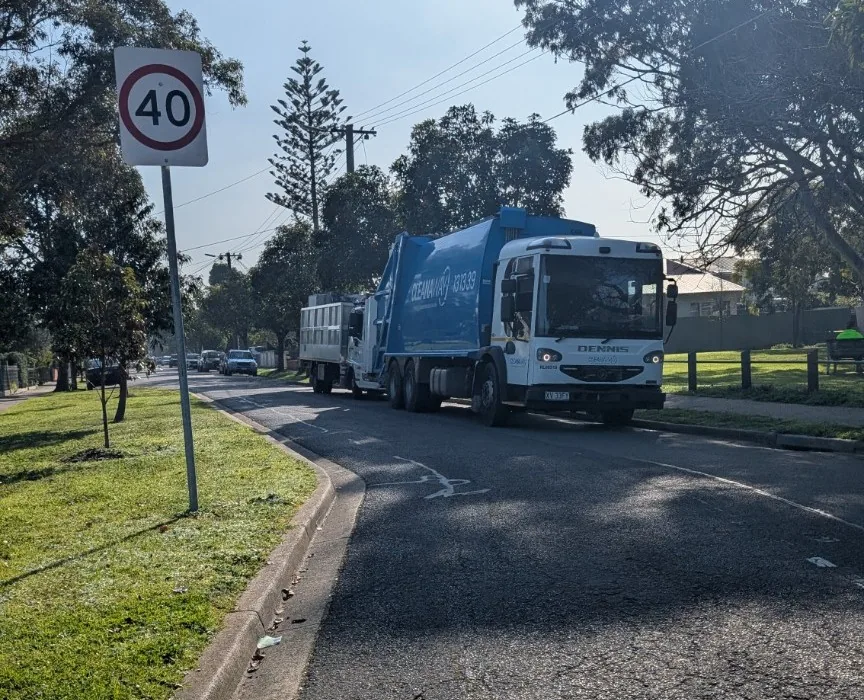
The resident concern is not only whether the network can absorb the traffic, but what redistributed movements mean at street level for pedestrians and children.
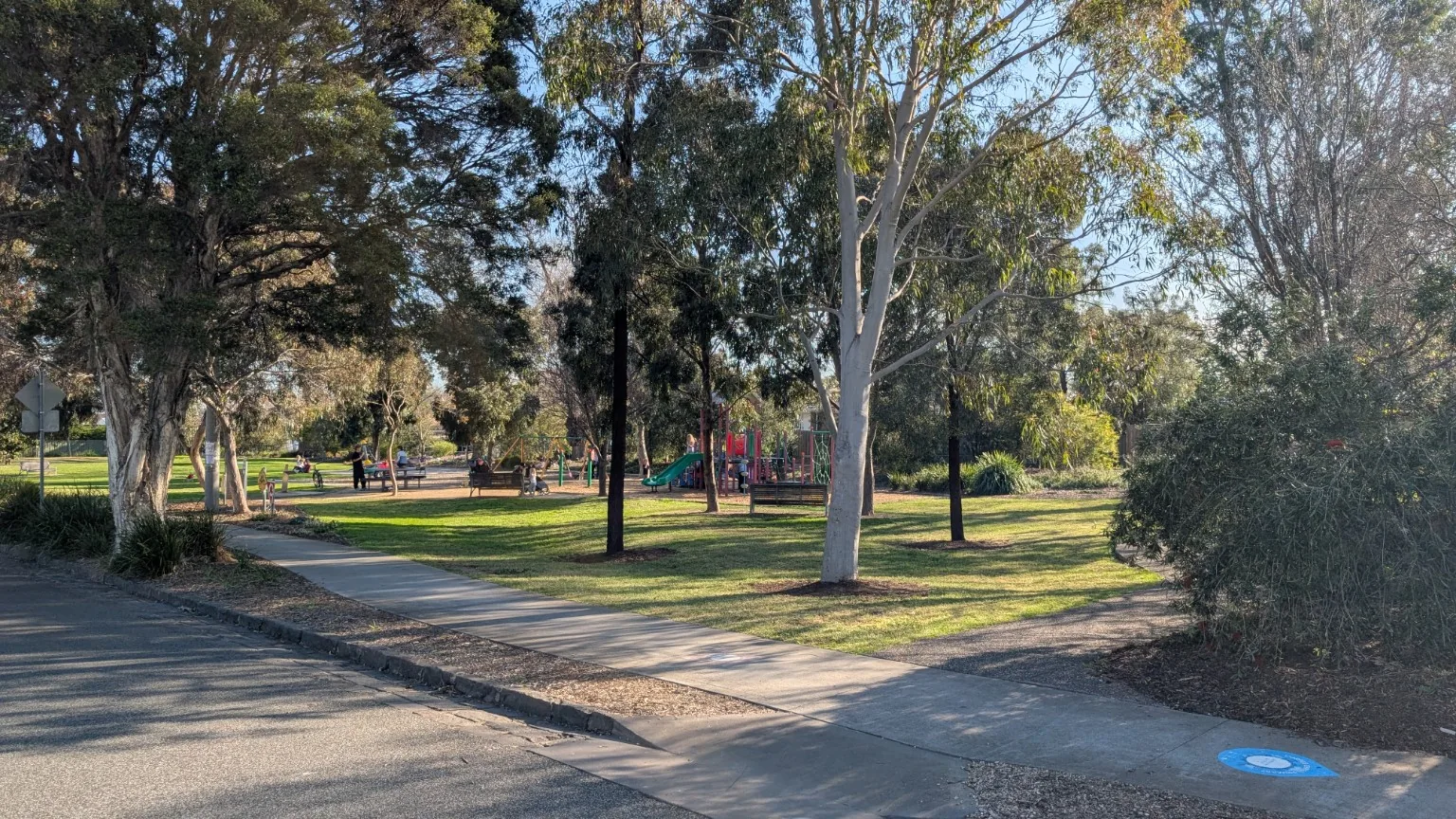
Traffic volumes, redistribution, intersection operation and delay, crash history, pedestrian continuity, emergency access and service vehicles. Its detailed quantified analysis is principally about traffic operations.
A dedicated child or pedestrian-safety assessment connecting the predicted redistribution to exposure and crossing behaviour around the nearby playground, or route-specific emergency response-time testing.
This does not establish that the closure is unsafe. It identifies the narrower safety issues residents raised and the limits of what the original operational assessment establishes.
Fred Maddern asked what additional traffic or pedestrian-safety information had been provided to councillors since the June meeting.
Director, Infrastructure Services · Maribyrnong City Council.
June Some councillors identified details of the traffic evidence they had not appreciated or had not been across.
July Council said no additional traffic or pedestrian-safety information had been provided to councillors since that meeting.
Status The concepts remained endorsed.
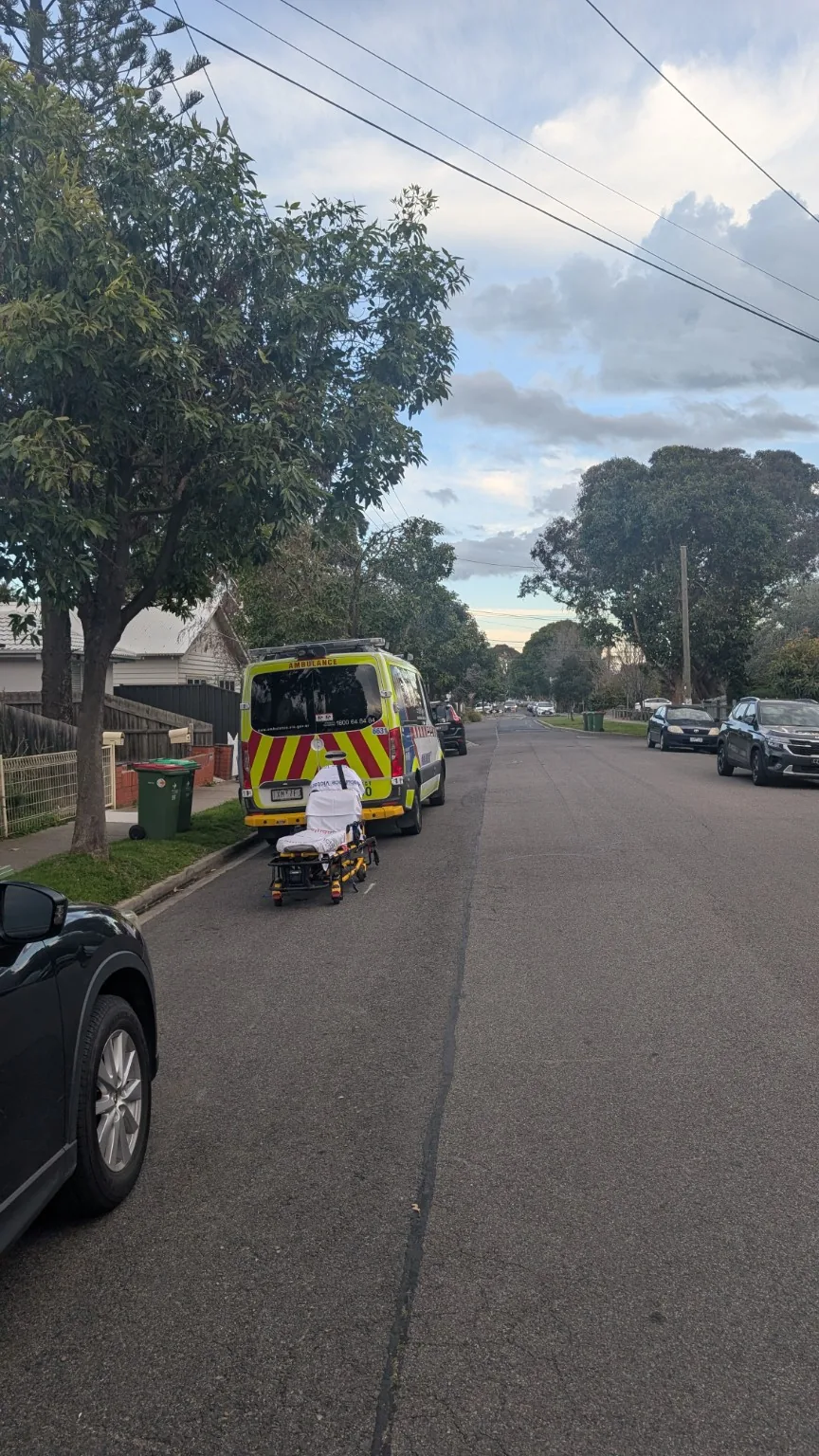
A separate question asked whether Ambulance Victoria, fire and other emergency services had been consulted about the proposed closure and timely attendance.
April: Council endorsed the Bell Reserve concept containing the road closure.
July: Council said emergency-service agencies would be notified and invited to comment as part of the later statutory road-closure assessment.
The Bell Reserve concept remains endorsed. Council's April report says the road closure itself requires a separate statutory process and a later final Council decision.
BEEVERS TOILETThe toilet remains in the endorsed concept, but Council says it will be reviewed under the Public Toilet Plan 2019-2029 and delivered, if prioritised, through the municipal public-toilet program rather than the park upgrade.
In later Council correspondence, officers said previous traffic assessments would be peer reviewed and a secondary assessment obtained to inform the road-closure process.
In July, Council said emergency-service agencies would be invited to comment during the later statutory road-closure assessment.
Council’s April report describes public notice, community submissions, an opportunity for submitters to be heard and then a final Council decision.
The Change.org page contains the petition wording and organiser updates. Whether to sign or share it is your decision.
Open petition ↗Watch the Beevers + Bell project page and Council agendas for the formal notice, submission details, hearing opportunity and later decision.
Council project page ↗Maribyrnong City Council publishes current councillor contact details, including the Wattle Ward councillor.
Councillor contacts ↗Council's meeting archive provides agendas, minutes and recordings, and explains how community members can submit questions.
Meeting archive ↗Council says the toilet will be reviewed through its public-toilet planning and municipal delivery process rather than through the Coronation Street statutory road-closure process.
Council update ↗Primary Council documents, meeting records, consultation material and the petition record used throughout this page.
Phase 2 engagement summary and channel results, with the live Council project page used for later published project information.
Phase 2 report ↗Agenda, traffic assessment, engagement report, minutes and recording.
Meeting page ↗21 April report, including the separate statutory process and Section 223 public notice.
Agenda PDF ↗Traffic assessment ↗The first public “about 50/50” description recorded in this chronology.
19 May meeting ↗Cade Lucas’s report recorded the Beevers + Bell dispute and Council’s response before the June meeting, providing a contemporary independent source that the issue was already public and contested.
Read the article ↗Public questions, councillor responses, formal petition referral and adoption of the 2026/27 Annual Budget.
16 June recording ↗Council’s published Budget summary records adoption on 16 June and $150,000 for the Bell Reserve upgrade.
Budget summary ↗Further public questions, including traffic, pedestrian safety and emergency access.
21 July meeting ↗Council’s framework for where new public toilets are prioritised and how location and safety considerations are assessed.
Public Toilet Plan ↗Council's 22 April update on the toilet and later assessment and delivery process.
Council update ↗Petition wording, signature record and organiser updates.
Open petition ↗Council meeting dates for following the public record as it develops.
Schedule ↗Resident correspondence: may be referenced where relevant to chronology; private correspondence is not reproduced. Public sources are used wherever they establish the same point.